No products in the basket.
Cart
3D Printing in ASA
ASA (Acrylonitrile Styrene Acrylate) is an advanced thermoplastic widely used in 3D printing, especially valued for its weather resistance and UV stability. It is ideal for outdoor applications where sun exposure and the elements can pose a challenge. Additionally, it offers excellent dimensional stability, making it perfect for functional parts that need to retain their properties in demanding conditions.
This compound stands out for its high impact resistance and long-term durability. This makes it an excellent choice for projects that require sturdy parts, both outdoors and in industrial applications.
2Colours
FDMTechnology
48 MPaTensile Strength
96 ºCSoftening Temperature
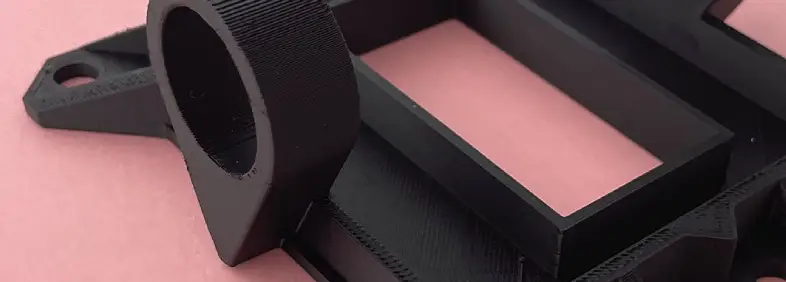
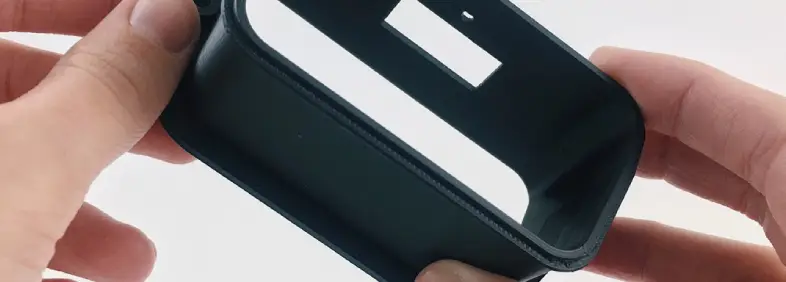
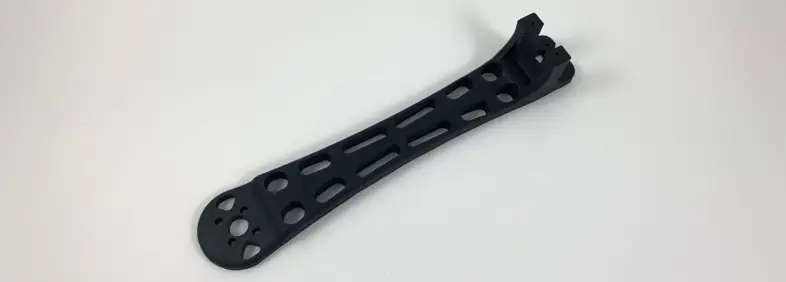
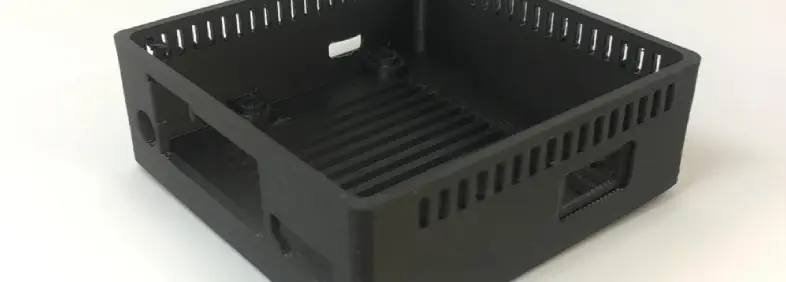
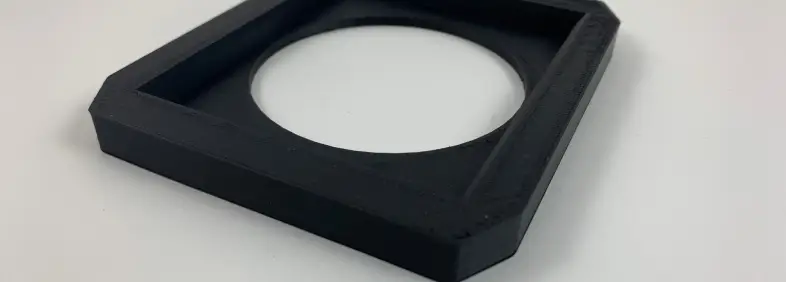
FDM printingFilament
In-house productionValencia, Spain
Technical reviewBefore printing
Free shippingOn orders >€39 (mainland Spain)
Advantages and limitations
ASA: when it is the perfect choice… and when it is not.
Knowing the material’s limits saves you reprints: where it excels and where it does not.
Advantages of ASA Pros
When is the perfect material choice?
- Excellent weather and UV resistance, ideal for outdoor applications.
- Heat deformation resistant, similar to ABS but with greater durability.
- Easy to post-process, allows sanding and painting for custom finishes
- Good dimensional stability, ideal for prototypes and functional parts
- Smooth and high-quality finish, with post-processing options such as sanding and painting.
- High impact resistance, making it durable in adverse conditions
Disadvantages of ASA Cons
When to look for other material options
- It is not biodegradable, which can be a drawback for those seeking sustainability
- Not ideal for parts that require high mechanical strength
- Less economical than PLA or PETG
- It can emit odors when heated, a disadvantage in enclosed spaces
- Fewer color options compared to other more commercial filaments.
- Not very flexible, not recommended for parts with tabs or clips
Available Colors
ASA: 2 colors in stock.
The final color may vary slightly depending on the material batch and the orientation of the part. If you need another color, ask us when placing your order.
Black
Pantone Black
White
Pantone White
Another color?
Ask us when placing your order
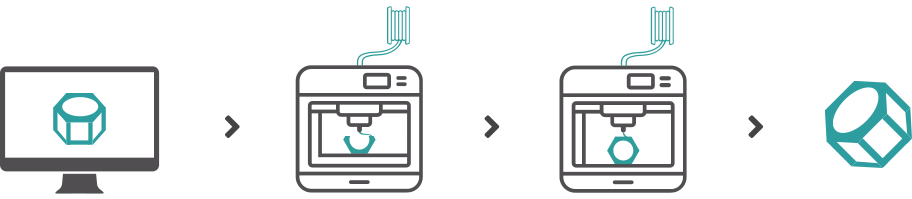
013D model
02Slicing
03FDM printing
04Final part
Technology used
FDM: fused deposition modeling.
FDM, or fused deposition modeling, is a manufacturing process used for prototyping and the production of small to medium runs. This modeling uses an additive function, depositing the material in layers to shape the part.
A filament is used that is initially stored in rolls, and is fed into a nozzle that is above the melting temperature of the material and can move in three axes controlled electronically. The nozzle moves to deposit the material in the correct location, drawing the model line by line. Once a layer is drawn, the base lowers by a layer thickness (0.1-0.4) so that the printer can continue with the next layer.
When the model to be printed has sections that protrude or have a steep angle, a support structure is created where necessary and is printed in a material that can later be easily removed, in some cases soluble. This is done to ensure that the model does not hang in the air, thus preventing the layer from falling.
More about FDM 3D printing →
Technical specifications
ASA: technical properties.
Typical values for the material we use in production. Download the datasheet and the safety data sheet for the full figures.
| Property | Value | Test Method |
|---|---|---|
| Density | 1.07 g/cm^3 | ASTM D792 |
| Tensile Strength | 48 MPa | ASTM D638 |
| Flexural Strength | 60 MPa | ASTM D790 |
| Tensile Strength | 50 MPa | ISO 527 |
| Elongation | 35 % | ASTM D638 |
| Softening Temperature | 96 ºC | 0.45 MPa / ASTM D648 |
Data Sheet
ASA: technical documentation.
Reference values from the material manufacturer. Final properties depend on orientation, infill and layer height.